Sports Injury or Pain Keeping You Out of the Game?
Sports and active-lifestyle pain can affect young athletes, gym-goers, runners, golfers, pickleball players, and anyone who wants to keep moving.
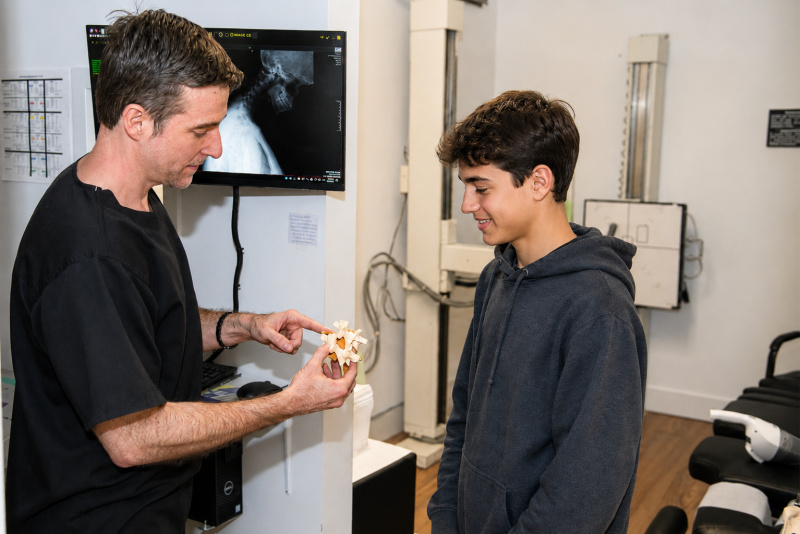
Dr. Richard Collin evaluates musculoskeletal injuries in Buford, GA by looking at how the problem started, what aggravates it, and what next step makes sense.
Does This Sound Like You?

Pain may start suddenly or build gradually from training, repetition, or continued activity.
More sports and active-lifestyle symptoms
Active People We Help
You do not have to be a professional athlete to have a sports or activity-related musculoskeletal injury.
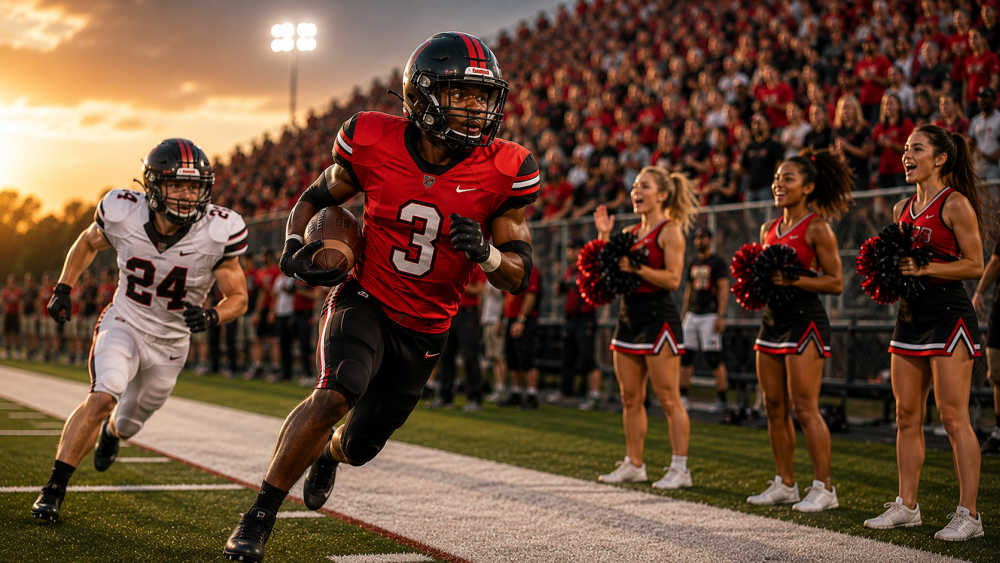
Youth & Student Athletes
Growing athletes may develop sprains, strains, joint pain, or soreness after practices, games, falls, and collisions.
- Football
- Cheer
- Soccer
- Basketball
- Baseball
- Volleyball

Gym & Fitness
Strength training, classes, and repeated loading can irritate joints, muscles, tendons, or the spine.
- Weights
- CrossFit
- HIIT
- Zumba
- Pilates
- Spin

Weekend Athletes
Recreational sports can produce acute injuries, repetitive-use irritation, and recurring pain.
- Pickleball
- Golf
- Tennis
- Running
- Cycling
- Hiking

Everyday Active Living
Yard work, home projects, walking, lifting, and family activities can also strain the body.
- Walking
- Gardening
- DIY
- Yard Work
- Family Activities
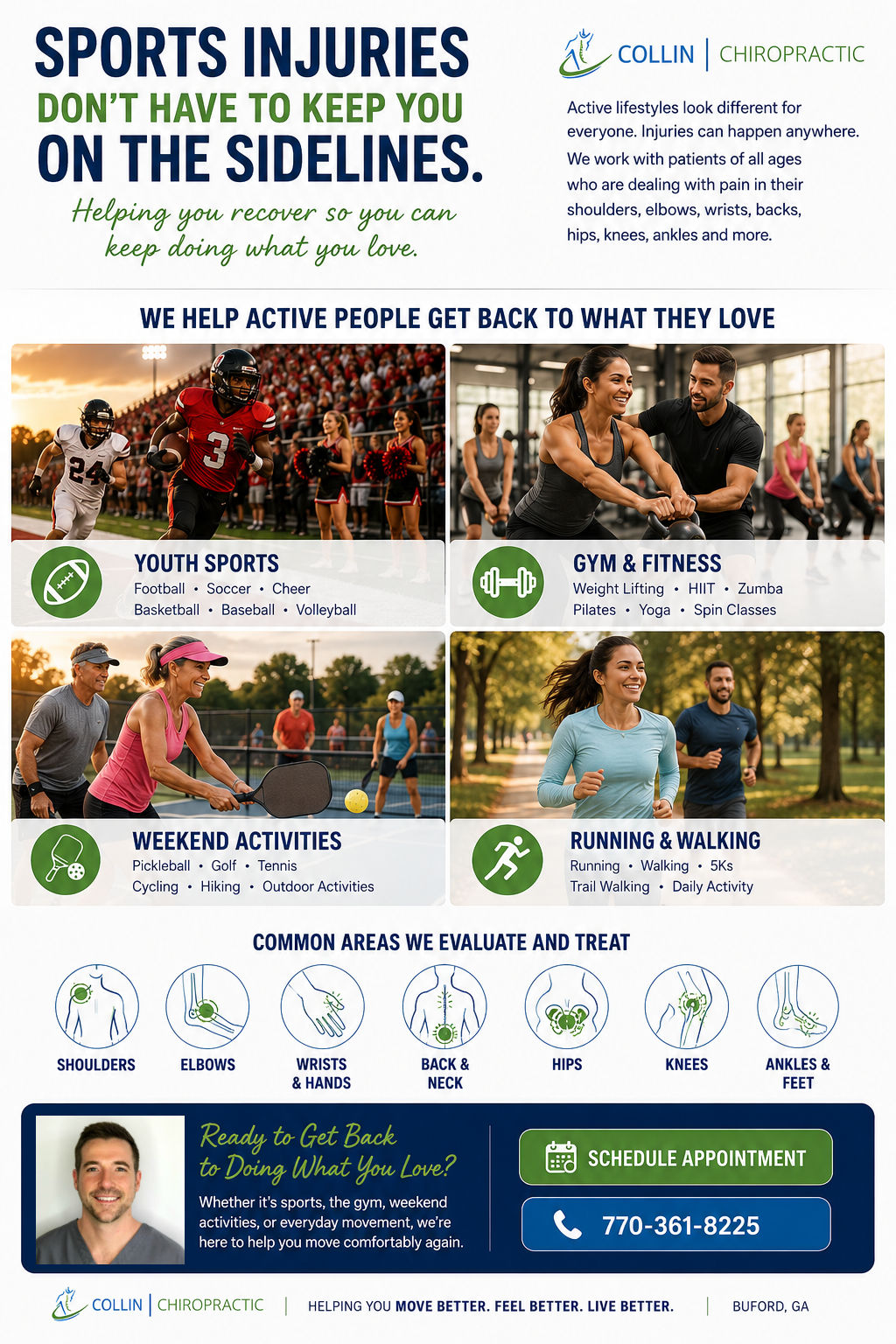
Sports and Active Lifestyle Injury Areas
Active-lifestyle pain can show up from the neck and shoulders all the way down to the ankles and feet.
What Can Contribute to Sports & Active Lifestyle Pain?
Similar pain can come from different problems, so history and examination matter more than the activity alone.
Acute Sprains & Strains
An acute sports injury may involve a sudden twist, fall, collision, overstretch, or load that irritates muscles, ligaments, or joints.
Overuse & Tendinopathy
An overuse injury may build gradually when repeated loading outpaces recovery. Tendinopathy is one example.
Joint & Extremity Problems
Extremity joints may develop pain, stiffness, instability, or reduced motion.
Spine & Nerve Symptoms
Neck or back problems may contribute to local pain, radiating pain, numbness, tingling, or weakness during activity.
Repetitive Movement & Loading
Training volume, repeated gripping, throwing, running, jumping, or lifting can irritate tissues even without one obvious injury.
Injuries Needing Referral
Fracture, major ligament injury, significant tear, concussion, infection, or severe instability may require imaging or medical specialty care.
How Dr. Collin Evaluates Sports & Active Lifestyle Injuries
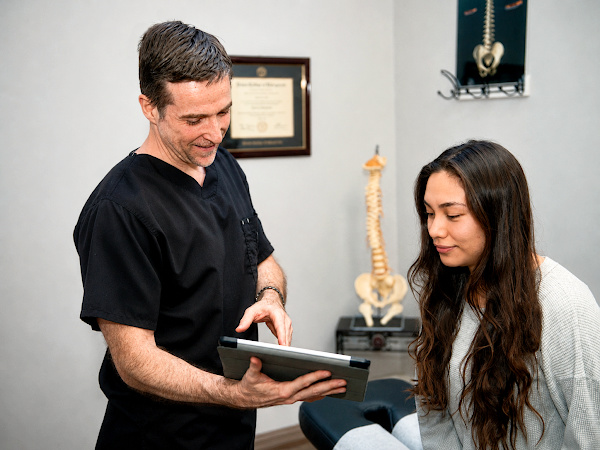
The goal is to understand what happened, what reproduces symptoms, and what you want to return to doing.
What the evaluation may include
Our Approach to Sports & Active Lifestyle Pain
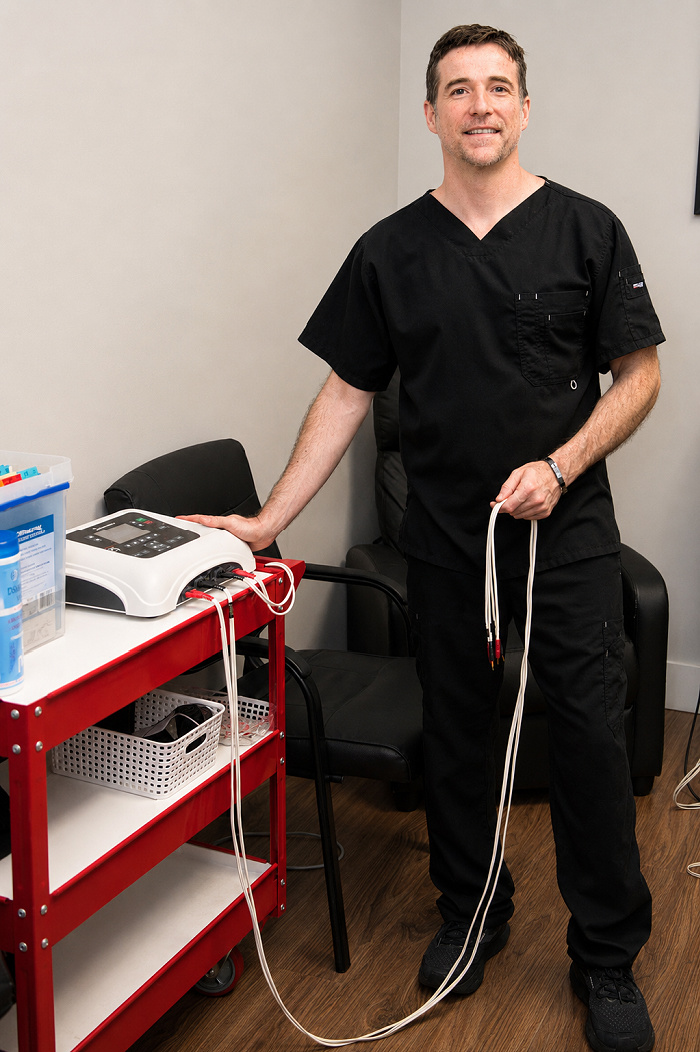
Supportive therapies such as electrical stimulation may be used when appropriate as part of an individualized care plan.
Dr. Collin is not a sports medicine specialist. He evaluates active patients and provides conservative chiropractic care when the findings fit that type of care.
More about our approach
Care may include chiropractic or extremity adjustments, soft-tissue work, mobility guidance, home exercises, activity modification, or supportive therapies. Return-to-activity decisions should reflect symptoms, function, and the type of injury.

While You’re Trying to Stay Active
Don’t Push Through Sharp Pain
Sharp, worsening, or unusual pain is a reason to stop and reassess.
Notice Swelling, Weakness or Instability
Those changes may point to a more significant injury and are important to report.
Modify Activity With a Purpose
Reducing one painful movement does not always mean stopping all activity.
For simple mobility guidance, watch Dr. Collin’s exercise videos.
When a Sports Injury Needs Urgent Medical Attention
Seek urgent medical care for obvious deformity, inability to bear weight or use a limb after trauma, major or rapidly increasing swelling, severe weakness or numbness, loss of function, an open injury, signs of infection, or head-injury symptoms such as confusion, repeated vomiting, worsening headache, or loss of consciousness.
Related Conditions & Care
Sports and active-lifestyle pain often overlaps with joint, spine, nerve, or shoulder complaints.
Looking for a broader overview? View Chiropractic Services · New Patient Information
Sports & Active Lifestyle Injuries FAQ
Is Dr. Collin a sports medicine specialist?
No. Dr. Collin is a chiropractor who evaluates and treats many active patients with musculoskeletal complaints and refers when another type of care is more appropriate.
Can chiropractic care help sports injuries?
It may be appropriate for some musculoskeletal injuries. Fracture, major tears, concussion, severe instability, or other significant injuries may require medical or orthopedic care instead.
Do I have to stop exercising while I recover?
Not always. Some injuries require rest from a specific movement, while others allow modified activity. The decision should fit the injury, symptoms, and current function.
Can you evaluate high school or youth athletes?
Yes. Dr. Collin evaluates children and teens with musculoskeletal complaints related to school and recreational sports.
What is the difference between an acute injury and an overuse injury?
An acute injury begins suddenly after an event such as a fall, twist, collision, or awkward load. An overuse injury develops more gradually from repeated stress, training volume, or repetitive movement.
Will I need X-rays, an MRI, or an orthopedic referral?
Not every injury needs imaging. The mechanism, examination findings, severity, and suspected structure help determine whether X-rays, MRI, orthopedic evaluation, or another referral may be appropriate.
What are some common sports injury terms I may hear?
Providers may use terms such as sprain, strain, tendinopathy, rotator cuff-related shoulder pain, lateral epicondylitis (tennis elbow), patellofemoral knee pain, ankle sprain, joint instability, or repetitive-use injury. The examination determines whether a label fits.
Ready to Get Back to What You Enjoy?
Whether it started during sports, a workout, or everyday activity, Dr. Collin will evaluate the pattern and explain the next step.
Location & Contact
4965 Lanier Islands Pky,
Suite 103
Buford, Georgia 30518
Call Today: 770-361-8225



Hours
Tues: 9 am - 1 pm
Saturday: 9 am - 12 pm
Call Today: 770-361-8225
"AWESOME, AWESOME, AWESOME! A for-sure place you want to check out for all your Chiropractic and Wellness needs. Would refer time and time again."
~Ashlea
Join us on Social for announcements, deals, health tips and latest products!
 |
 |